
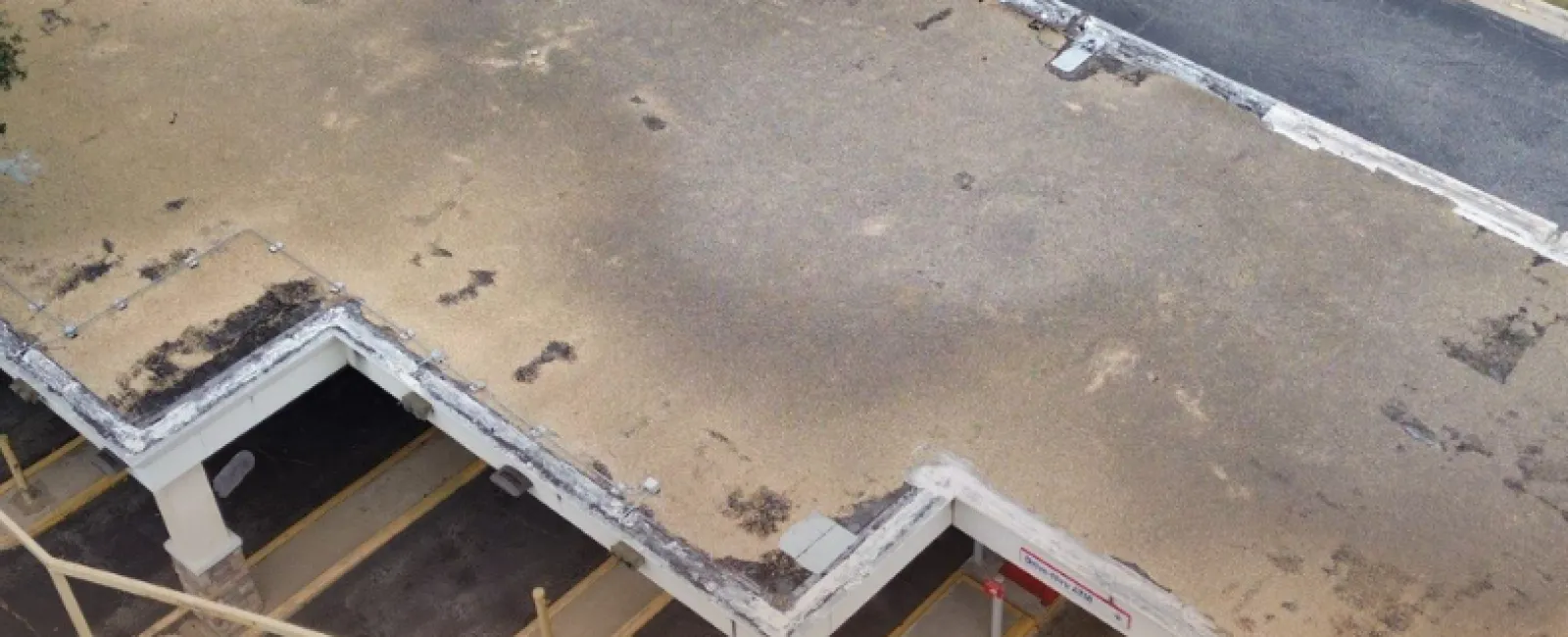
A client of
ours knew their roof had issues. They budgeted for repairs and addressed
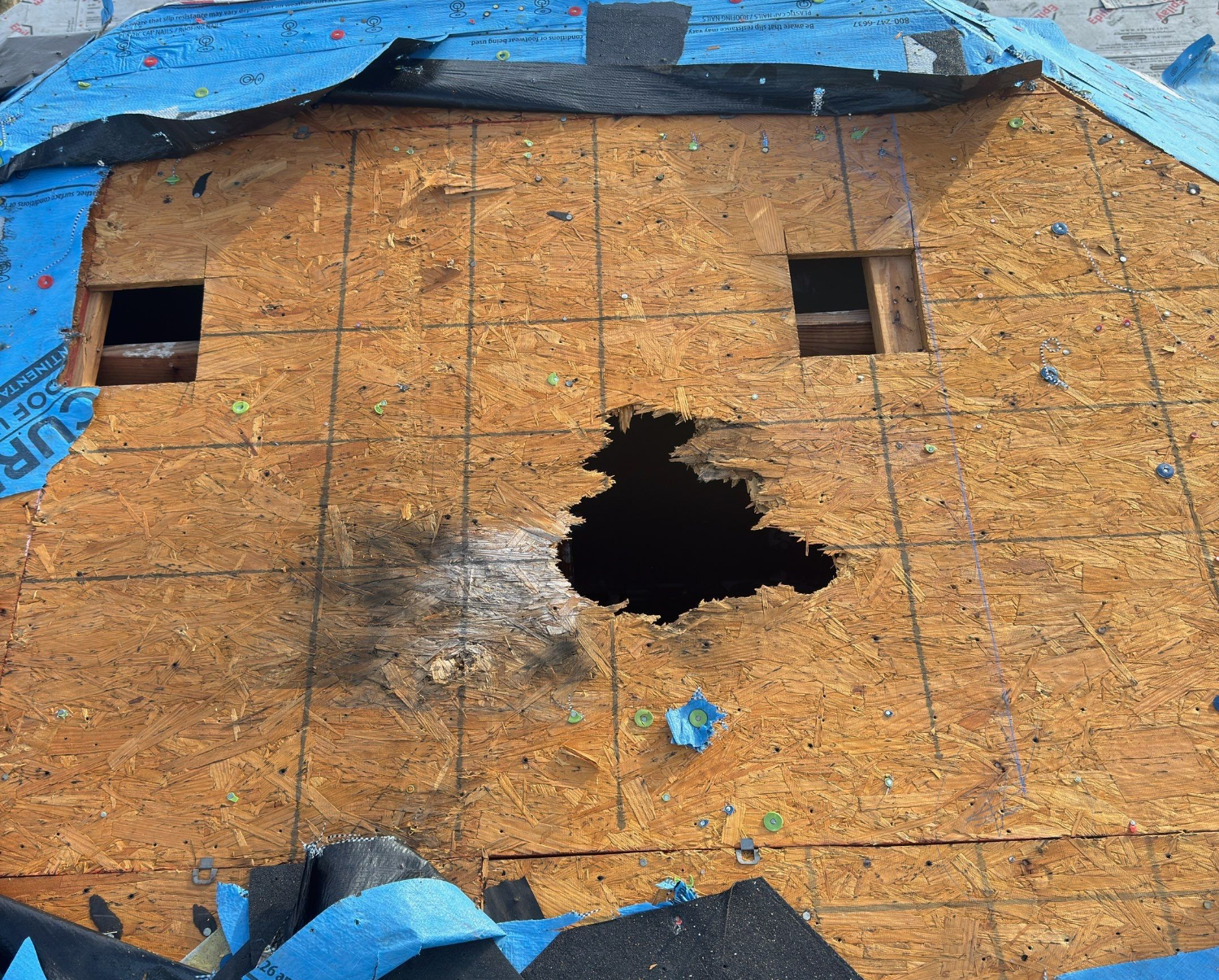
problems as they appeared, planning to handle the roof replacement later. When we finally removed the 70,000 square foot
roof, we discovered over $200,000 in rotten wood damage. Rafters were destroyed
by a decade of water infiltration that could have been prevented if they had a basic
roof maintenance plan.
Making the
wrong call on repair versus replacement doesn't just waste money. It puts your
entire building at risk.
The Real Cost of Getting it Wrong
Here's the uncomfortable truth: We've seen clients spend over $50,000 on repairs over several months, only to still need a $500,000 replacement. Once repairs start to pass the $15,000 mark, it's time to have a serious conversation about replacement. Beyond that point, you are often wasting money on temporary fixes.
But replacement isn't always the answer. We're currently working with a client who has a 200,000 square foot TPO roof that's only eight years old, and it needs about $50,000 in repairs from leaks due to installation issues and storm debris damage. Replacement would cost significantly more and isn't necessary, as these leaks can be repaired and won't recur.
The decision isn't about hitting a percentage threshold. It's about understanding what's failing on your roof.
What Really Determines Repair vs. Replace
Age matters, but it's not everything.
Most commercial roofs cross from "repairable" to "replacement territory" around the 15-year mark.
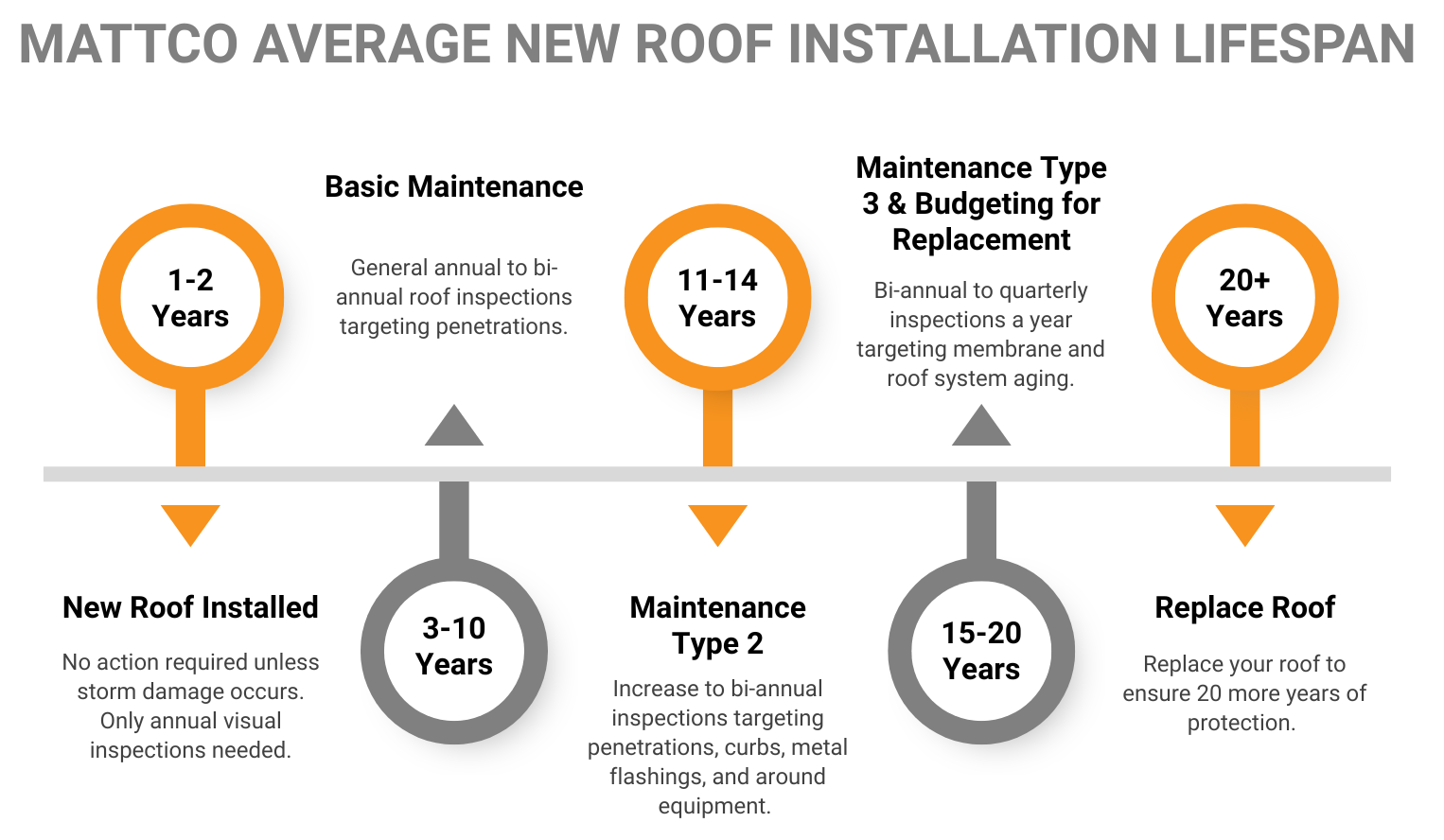
The attachment method is critical.
The attachment method is critical as it is literally what holds your roof down. The most common systems used on commercial roofs are mechanically fastened, fully adhered, or ballasted systems. Each has distinct failure patterns you need to watch for.
This system uses screws and plates to secure the roof membrane and insulation to the deck. During inspections, we check to ensure that fasteners are tight and flush; backed-out screws are the most common issue we see, especially around perimeter edges and the field of the roof. Wind is a strong factor and can exploit these weak points, potentially peeling back or tearing off large sections of the roof membrane.
Fully Adhered Systems
This system uses an adhesive to bond the membrane directly to an approved substrate. We inspect for bubbling, blistering, or areas where the membrane feels spongy as you walk. These signs indicate adhesive failure or moisture intrusion beneath the membrane. On hot days, you might notice areas where the membrane moves or shifts when walked on, revealing bond failure. If the adhesive fails, the roof system is in jeopardy.
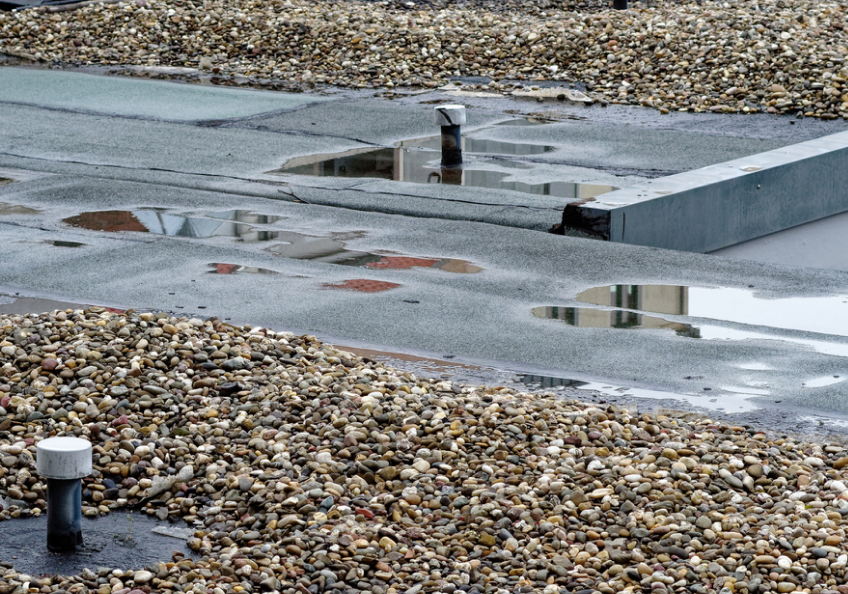
This system relies
on weight to hold the membrane and its insulation in place by using gravel,
stones, or pavers. When we inspect this system, we verify that the ballast is
evenly distributed with no bare spots or areas where stones may have shifted.
We look for displaced ballast around drains, edges, and penetrations, as wind can
create bare patches that expose the membrane and uplift the roof system.
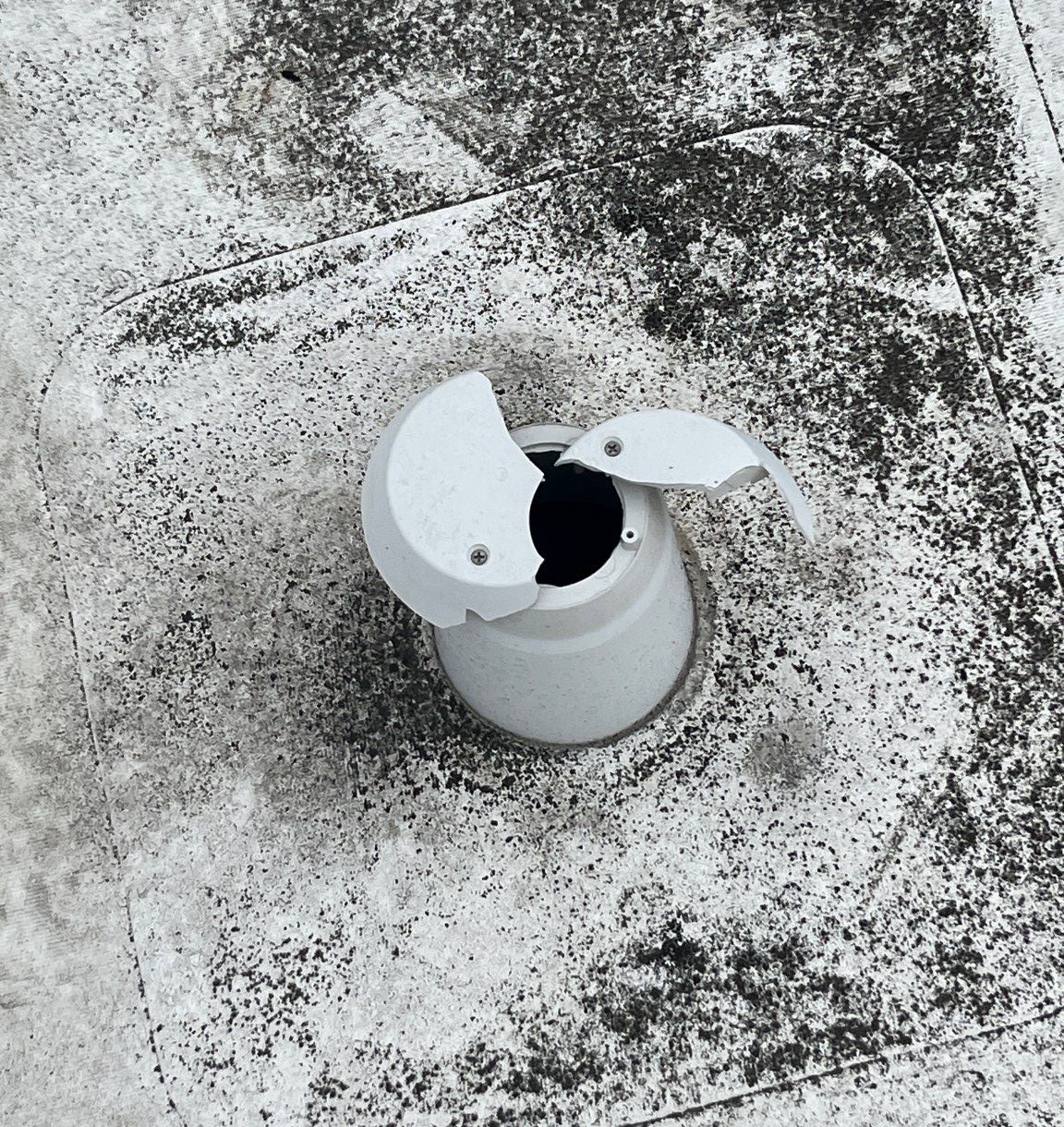
Location of damage tells the story.
Ninety percent of roof leaks originate at penetrations, which include pipes, vents, HVAC units, skylights, etc. These are protected by sealants that should be checked annually, as caulking has a short lifespan, especially when battling UV rays. When we see localized issues at penetrations, those are repairable. When we see splitting membranes, widespread hail damage, wind uplift, or wet insulation under the roof surface, that's systemic failure requiring replacement.
Your Portfolio Strategy Matters.
If you're planning to sell in three years, spending $50,000 on repairs makes sense when a new roof costs $300,000. You can negotiate that out with the buyer. But if you're keeping the property long-term and passing it down to family with the hopes of recurring cash flow, you need to look at long-term roof solutions with proper maintenance plans.
Red Flags That Indicate Replacement
When we see
these warning signs, we know repairs won't be effective:
- Severely aged and weathered membranes
can't hold standard repairs. In this case, we must do "blindside repairs," where you cut a
hole in the membrane and slide a new membrane underneath. These fixes are only
temporary at best.
- Modified bitumen showing bare fiberglass. This appears as shiny spots where asphalt or granules have completely weathered. Patching provides only days or weeks of protection, not years.
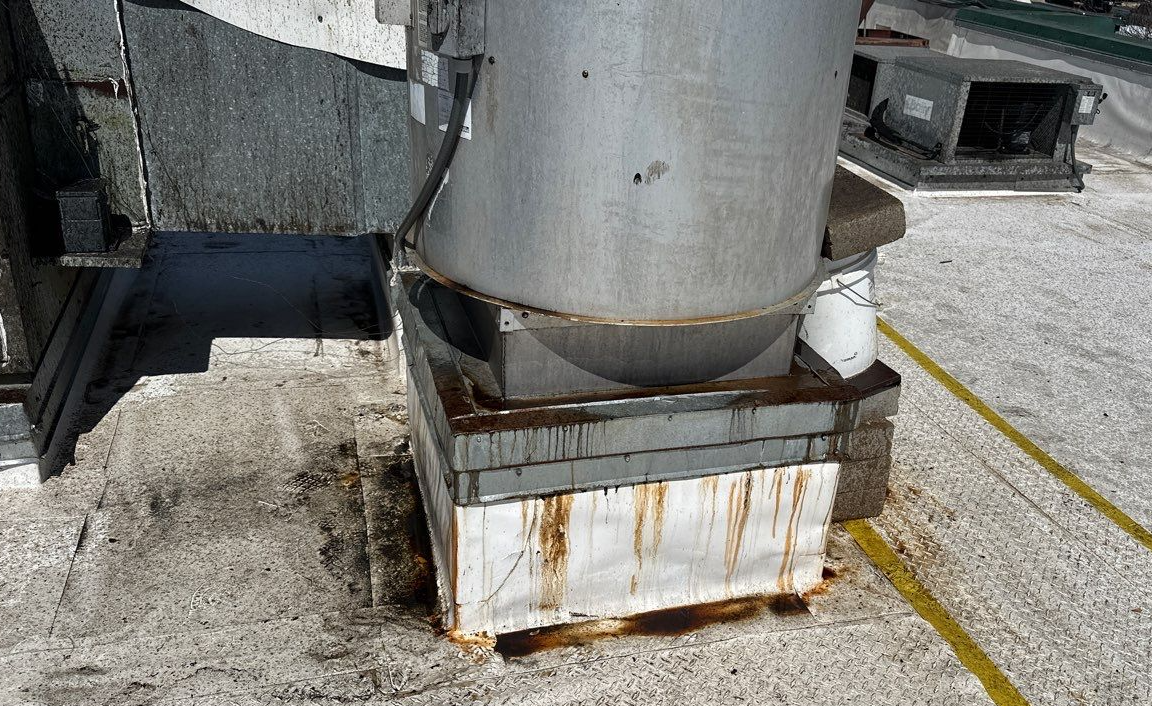
- The wrong roof system for the
application. TPO
- A history of unauthorized repairs tells us the roof hasn't been properly cared for. Contractors who are not roof certified can often use unapproved products not designed for the roof system. Using components that aren't approved for your original roof system can void your warranty. These temporary fixes don't address underlying problems and leave you without warranty protection when you need it most.
Why Acting Now Protects Your Budget
Current
market conditions create significant uncertainty around roofing costs. Tariff
policies, supply chain volatility, and inflation can lead to unexpected price shifts, with the trend continuing upward. Over the last few years, prices have increased significantly, at a rate of 10-14%. Delaying replacement means paying higher prices
later for work needed today.
For properties with good tenants on long leases, replacing your roof early saves money on ongoing repairs and provides an advantage when negotiating lease renewals. You also get a new 20-year warranty, the only exterior building component with that kind of manufacturer backing.
Get the Right Assessment
The roof is
your most critical asset, sheltering everything below it. Whether to repair or replace
it isn't a gamble; it's a decision that needs data, expertise, and honest
conversation about your property's future.